Posts tagged ‘partnerships’
78. Amelia Writes Again by Marissa Moss
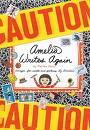 Retell: Amelia is a young girl who collects thoughts, souvenirs, photos and stories in her writer’s notebook. Through the pages of her notebook we learn about Amelia’s friend Leah, her sister Cleo, and the terrible arsonist who destroyed her school.
Topics: writing, birthdays, siblings, friendship, daydreaming, numbers, arson, symbols, partnerships, writer’s notebooks
Units of Study: Personal Narrative, Realistic Fiction, Social Issues, Personal Essay
Tribes: appreciations/no put-downs, right to pass, personal best
Habits of Mind: responding with wonderment and awe
Writing Skills: generating notebook entries, using pictures and objects to inspire writing, writing about ideas, spelling tricky words by writing it in different ways
Thoughts: This is volume 2 in a series of “Amelia” books. I use this each year when we relaunch our writer’s notebooks. The book resembles a composition notebook. There are many ways that it can be used to teach writing skills, but it also stands alone for discussing other issues. For example, Amelia writes about how she is reluctant to show her notebook to her friend Leah. This could be a great time to discuss taking the right to pass. During a Social Issues or Personal Essay unit you could use this book to analyze the issue of school vandalism.
If you have used any books from the “Amelia” series please post your ideas in the comments section.
64. What a Day it Was at School! by Jack Prelutsky
 Retell: A collection of silly school poems on topics such as: homework, field trips and farting.
Topics: school, homework, field trips, libraries, food chain, history, poetry, partnerships
Units of Study: Fantasy, Authoring an Independent Reading Life
Tribes: mutual respect
Habits of Mind: responding with wonderment and awe
Writing Skills: incorporating rhythm and rhyme
My Thoughts: The poems in this collection are very, very silly–perfect for those ‘just for fun’ read alouds I mentioned yesterday. I think I’ll read, “I Made a Noise This Morning” (a poem about a student farting in class) when my students need a quick laugh. Though this collection is probably more suitable for younger grades, a few of the poems could be good hooks for mini-lessons or project launches. I’m planning on sending home more independent project ideas in Science and Writing. When I launch this project I may read Prelutsky’s “Homework” which describes a gooey experiment that didn’t go as planned. There is a cute poem entitled, “A Classmate Named Tim,” that I think I’ll use when introducing partnerships.
14. There’s a Boy in the Girls’ Bathroom by Louis Sachar
 Retell: It is easy to dislike Bradley Chalkers. He beats up other students, lies about everything, and refuses to do his homework. Bradley’s life begins to change when he meets Carla, the school counselor who inspires him to be a gold star student.
Topics: school, counseling, disagreeing, lying, making excuses, power, trust, friendship, homework, imaginary friends, partnerships, fights, confidence, putdowns, name-calling, safety, sibling issues, self-esteem, rewards, gold stars, asking for help, just right books, love of reading, affirmations, trust
Units of Study: Character, Literary Essay, Talking and Writing about Texts
Tribes: mutual respect, appreciations/no putdowns, right to pass, personal best
Reading Skills: inference, interpretation, empathy, making connections, synthesis
My Thoughts: My heart still aches after reading this book. It’s not a depressing book it’s just that I spent the book fearful that Bradley was going to keep digging himself into holes (not literal holes that’s Sachar’s other book). As you can see from this post’s tags, there are so many ways that one could use this book during interactive read aloud. The book lends itself very well to examining character relationships. Many of the secondary characters make significant changes that affect Bradley. I think many students will be able to make connections to Bradley’s complex relationship with his sister, Claudia. Sachar encourages his readers to try and understand the bully rather than demonize him/her. Bradley reminds me of one of my former students. I think I’m going to buy this book and send it to him.
 Teachable Texts