Posts tagged ‘nonfiction’
24. Owen and Mzee: The Language of Friendship by Isabella Hatkoff, Craig Hatkoff, and Dr. Paula Kahumbu
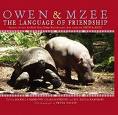 Retell: This sequel continues the story of Owen and Mzee, the beloved baby hippo and the anti-social tortoise, who were brought together during the aftermath of the tsunami of 2004.
Topics: tsunami, hippos, tortoises, wildlife, preservation, Kenya, friendship, biology, animal habitats, narrative nonfiction, biography
Units of Study: Nonfiction, Personal Essay, Content-Area Reading and Writing
Tribes: mutual respect
Reading Skills: monitoring for sense, determining importance, inference
Writing Skills: using transitional phrases, using quotation marks that note unusual usage
My Thoughts: Be ready for a chorus of “ahhh”s if you choose to read this book aloud to your students. Every photograph is absolutely adorable. A lot can be learned from this pair. I plan to use this book during my Content Area Reading and Writing units. Owen and Mzee includes both narrative and expository text making it a good teaching text during the Nonfiction unit as well. One could even use this during a biography unit since it’s telling a life story.
15. Henry’s Freedom Box by Ellen Levine
 Retell: This is the true story of Henry “Box” Brown. After his family was sold to another plantation, Henry decides to escape to freedom via the postal service.
Topics: underground railroad, slavery, perseverance
Units of Study: Nonfiction, Content-Area Reading and Writing, Historical Fiction
Tribes: personal best
Reading Skills: inference, emapthy
Writing Skills: incorporating symbolism, using setting details
My thoughts: I can see why this won a Caldecott Award. The illustrations by Kadir Nelson are larger than life. What’s nice about this book, as well as many biographies written for young readers, is its author’s note. Reading both the story and the author’s note is a nice way to compare narrative and expository nonfiction. Though Henry’s Freedom Box is a biography, I could also see reading this book during a unit on historical fiction to examine how an author tucks in historical details.
7. Guys Write for Guys Read
 Retell: Jon Scieszka edits this fabulous collection of stories, comics, essays, illustrations and vignettes contributed by prominent male authors and illustrators. Contributors include: Stephen King, Matt Groening, Jerry Spinelli, Seymour Simon, James Howe, Neil Gaiman, Gary Paulsen and many more. Royalties from the book are used to support Scieszka’s Guys Read Program.
Topics: boys, family, growing up, reading, writing, art
Units of Study: Personal Narrative, Launching the Reading and Writing Workshop, Character, Personal Essay, Content-Area Reading and Writing, Nonfiction, Memoir, Social Issues, Fantasy, Preparing for the ELA
Tribes: Mutual Respect, Personal Best, Appreciations/No Putdowns, Right to Pass
Reading Skills: inference, making connections, interpretation
Writing Skills: writing with voice, zooming in on a small moment, observing the world for stories
My Thoughts: This book is teacher gold! Guys Write for Guys Read has a plethora of short stories that can be used for mentor texts in almost every Reading and Writing unit. One of the stories, “Reading Can Be Dangerous” by Tedd Arnold was featured on the 5th grade ELA test last year. James Howe, author of Bunnicula, writes a personal narrative about getting help from a friend on how to be a boy–a great text for personal essay or discussing gender issues. Many authors write about how they came to love reading and writing. Christopher Paolini, author of Eragon, writes about how he fell in love with fantasy–great to read when you launch a unit on Fantasy reading and writing. Patrick Jones, a librarian, writes about how being interested in wrestling inspired him to become a voracious reader. Many entries include samples of famous authors childhood work alongside their adult work. For example, Dav Pilkey, author/illustrator of the infamous Captain Underpants series, writes about a comic strip he started when he was 11. I will probably use this book for almost every unit I teach this year.
If you don’t pick up a copy of this book you must go to Scieska’s website, Guys Read. The site is dedicated to inspiring more young boys to fall in love with reading. Mr. Scieszka, you’re my hero.
 Teachable Texts